01What is 0.087 mg on the 0.1 mg tablet?
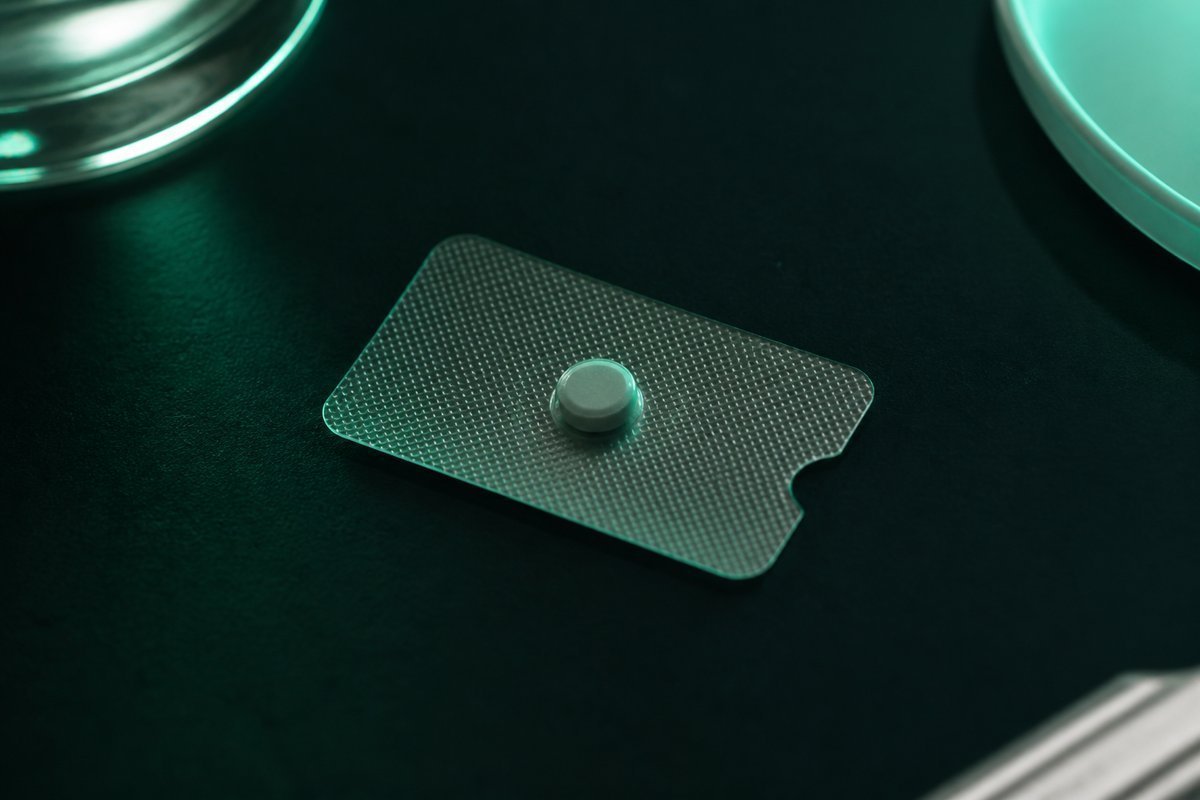
0.1 mg clonidine hydrochloride equals 0.087 mg of the free base. That identity line is on the Catapres tablet description.
Do not convert 0.087 mg into a second swallow. The written stamp is still 0.1 mg.
02Which other oral stamps sit on US shelves?
0.2 mg and 0.3 mg tablets are labelled strengths. Studies have indicated 2.4 mg is the maximum effective daily dose, rarely employed.
Usual maintenance has ranged from 0.2 mg to 0.6 mg per day in divided doses. Those totals are built from 0.1 mg steps.
03Why lock 0.1 mg and not 0.2 mg?
Initial dose on the insert is a 0.1 mg tablet twice daily. Elderly patients may benefit from a lower initial dose.
Search pages that always quote 0.2 mg skip the start that clinics actually write first. This site stays on 0.1 mg.
04Does 0.1 mg treat every high-pressure cause?
In hypertension caused by pheochromocytoma, no therapeutic effect of clonidine hydrochloride tablets can be expected.
The indication on the order still has to be named. A 0.1 mg stamp does not diagnose the cause.
05Is a 0.1 mg/day patch the same as this tablet?
The weekly system delivers 0.1 mg per day for seven days. Therapeutic plasma levels after a first patch take 2 to 3 days.
Tablets are not the weekly patch. Do not peel a patch to 'equal' one 0.1 mg swallow.
06Is 0.1 mg the ADHD tablet?
Immediate 0.1 mg Catapres-line tablets are indicated for hypertension. Extended-release clonidine (Kapvay) carries the ADHD indication.
Indication on the order keeps that split. This lock is the 0.1 mg immediate tablet.